
What are allergies?
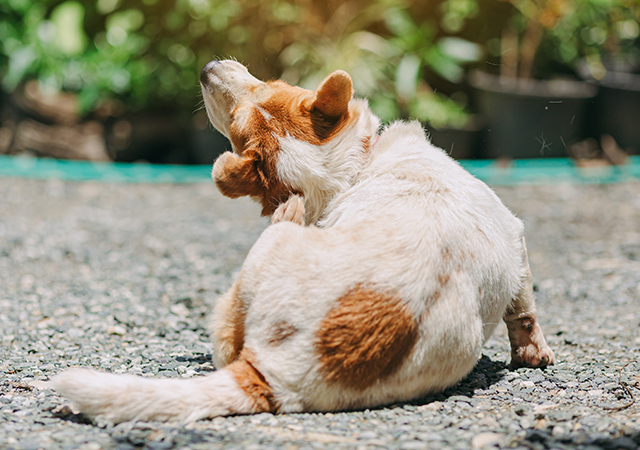
Allergies occur when the immune system overreacts to a substance that would normally be harmless. In a healthy immune response, the body recognises genuine threats and mounts an appropriate defence. In allergic dogs, the immune system mistakenly identifies everyday substances like pollen, certain proteins, or flea saliva as dangerous invaders. This triggers an inflammatory response, causing the uncomfortable symptoms we associate with allergic reactions in dogs. An allergic reaction is the immune system working too hard against something that poses no real threat.
Types of allergies in dogs
Environmental allergies are triggered by allergens in your dog’s surroundings, including pollen, mould and dust mites. Grass is a common environmental allergy trigger, especially during spring and summer when grass is long and luscious. Allergens inside your house, like cleaning products or air fresheners, can cause year-round discomfort for some dogs, leading to persistent itchy dog skin and recurring infections.
Food allergies in dogs are less common than environmental allergies. Your dog’s immune system reacts to specific proteins in their diet, triggering allergic reactions. Common culprits are beef, chicken, dairy, and wheat. Symptoms can range from gastrointestinal issues to skin problems.
Flea allergy dermatitis is one of the most common canine allergies. Dogs with this condition become hypersensitive to proteins in flea saliva. Even a single flea bite can trigger an intense allergic reaction, leading to severe itching, skin inflammation, and secondary infections.
Contact allergies are less common and occur when your dog’s skin reacts to direct contact with substances like certain fabrics, plastics, cleaning products, or grooming products.
Allergies versus mange: knowing the difference
Many pet owners confuse allergies with mange in dogs, as both conditions cause intense itching and skin irritation. Mange is caused by parasitic mites that burrow into or live on the skin. Signs of mange typically include intense itching, significant hair loss (especially on the legs and belly), thickened and darkened skin, and crusty sores or scabs. Mange is diagnosed through a skin scraping examined under a microscope.
Allergies also cause itching and skin irritation, but they may also include symptoms like watery eyes, sneezing, ear infections, and gastrointestinal issues. Hair loss from allergies tends to be less severe and more patchy, caused by scratching rather than the condition itself. If you’re not sure whether your dog has mange or allergies, it’s important to take your dog to the vet for a diagnosis.
How to spot an allergic reaction in your dog
It’s important to know the signs of an allergic reaction in dogs. Here’s what to look for:
- Excessive scratching, licking, or biting
- Red, inflamed, or flaky skin
- Frequent ear infections
- Rubbing of the face or body on furniture
- Hair loss or bald spots
- Hot spots (moist, irritated skin lesions)
- Watery or itchy eyes
- Sneezing and nose discharge
- Vomiting or diarrhoea
- Swelling, especially around the face
In rare cases, dogs may experience anaphylactic shock. Anaphylactic shock in dogs is a life-threatening reaction requiring immediate veterinary attention. Signs include sudden weakness, difficulty breathing, vomiting, diarrhoea, and collapse.
The South African allergy season
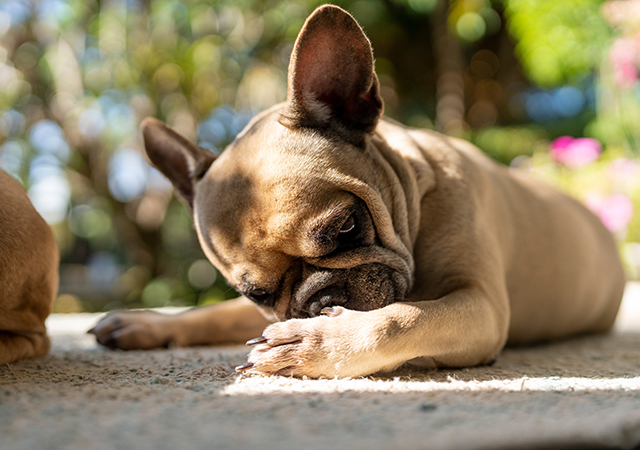
In South Africa, dog allergy season can extend for up to nine months of the year because of our warm climate. The worst period generally runs from late August through to November, when pollen counts are at their highest. Spring brings a surge in pollen and other irritants, leaving pets uncomfortable and at risk of secondary infections.
Treatment options, home care and prevention tips
You can take proactive steps to minimise your dog’s exposure to allergens. Wash your dog regularly with a gentle, hypoallergenic shampoo. During peak allergy season in South Africa, wipe their paws and belly after they have spent time outside. Walk your dog early in the morning or late in the evening when pollen counts are lower.
Clean your living environment by vacuuming regularly, washing bedding frequently, and using air purifiers to reduce indoor allergens. Feed a high-quality, balanced diet rich in omega-3 fatty acids to support skin health and reduce inflammation. Maintain rigorous year-round flea control, especially for dogs with flea allergies. Keep a diary of your dog’s symptoms to help identify patterns and triggers.
Consult your veterinarian if your dog’s symptoms last for more than a few days, if they develop skin infections or open sores, or if they’re in severe distress. Your vet may prescribe antihistamines for dogs, corticosteroids, or other medications to manage symptoms effectively.
For food allergies in dogs, an elimination diet under veterinary guidance can help identify problem ingredients. Medicated shampoos, sprays, and creams can soothe irritated skin and reduce inflammation. For severe environmental allergies, your vet might recommend allergen-specific immunotherapy, which is allergy injections designed to desensitise your dog’s immune system over time.
The gut-skin connection
There is a fascinating link between gut health and dog allergies. Approximately 70% of the immune system resides in the gut, making gut health crucial for immune function. A balanced gut microbiome helps regulate the immune system, reducing inappropriate responses to environmental triggers like pollen, grass, and mould. Dogs with atopic dermatitis often have lower gut microbiome diversity. Supporting your dog’s digestive health can help reduce allergic symptoms and itchy skin. Incorporate probiotics and prebiotics into your dog’s diet, ensuring they receive adequate fibre, and feed a varied diet to support a healthy gut microbiome.
Natural support for dogs with allergies
 |
Anima-Strath is a unique natural supplement that supports the immune system and promotes an appropriate immune response. Anima-Strath modulates immune function, enabling your dog’s body to respond appropriately rather than excessively. Anima-Strath improves nutrient absorption, ensuring your dog receives maximum benefit from their food. |
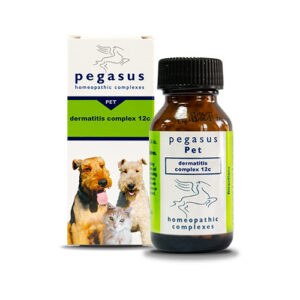 |
Pegasus Pet Dermatitis Complex is a homoeopathic remedy that addresses general dog skin problems, including dermatitis, eczema, mange, and dry, unhealthy, stinging, and burning skin. |
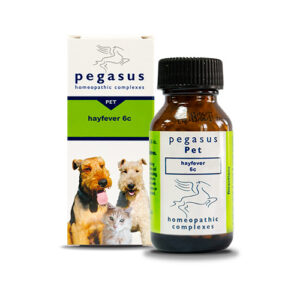 |
Pegasus Pet Hayfever is formulated for dogs suffering from seasonal allergies, helping with itchy, streaming eyes and nose, sneezing, and watery discharges. |
 |
Pegasus Pet Sting & Itch is ideal for burning, stinging, and itching associated with allergies. |
Your dog’s path to comfort
Supporting your dog through allergy challenges calls for patience and observation. When you understand the different types of allergies in dogs and recognise the signs early, you can implement a good management strategy that improves their comfort. Every dog is unique. What works for one may not work for another. Work closely with your veterinarian to develop a tailored approach that addresses your dog’s needs. With the right support and natural remedies, your allergic dog can still enjoy a happy and fulfilling life by your side.
References and additional reading:
- Managing your dog’s seasonal allergies. Available at: https://www.hillspet.com/dog-care/healthcare/managing-dog-seasonal-allergies
- Dog allergies: Types, symptoms, and treatments – goodrx. Available at: https://www.goodrx.com/pet-health/dog/seasonal-allergies
- Allergies in dogs: Symptoms, causes, and treatment (no date) PetMD. Available at: https://www.petmd.com/dog/general-health/food-allergies-vs-seasonal-allergies-dogs
- Allergies in dogs: Types, signs, causes and treatment (2025) UrgentVet. Available at: https://urgentvet.com/allergies-in-dogs-symptoms-treatment/
- How gut health impacts seasonal allergies and digestion in dogs (no date) Seaweed For Dogs. Available at: https://seaweedfordogs.com/pages/how-gut-health-impacts-seasonal-allergies-and-digestion-in-dogs
- Pets in spring: Renewal & Allergies for Furry Friends (2025) FOUR PAWS in South Africa – Animal Welfare Organisation. Available at: https://www.four-paws.org.za/our-stories/press-releases/pets-in-spring-renewal-allergies-for-furry-friends
- What’s the difference between Mange and allergies in dogs, and how can I tell which one my pet has? (no date) Dial A Vet. Available at: https://www.dialavet.com/vet-answers/mange-vs-allergies-dogs-33811